
Agent-first development is a paradigm where AI agents are primary actors in the software development lifecycle, not secondary tools. In an agent-first workflow, AI agents write code, open pull requests, verify UI changes, generate tests, and close the feedback loop, with humans providing oversight, judgment, and direction rather than executing each step manually.
Applied to software quality assurance, agent-first means verification runs inside the agent's loop: with an MCP server such as Shiplight, the coding agent checks its own UI changes in a real browser and authors the covering tests, and QA tools expose their capabilities to agents rather than to a human dashboard.
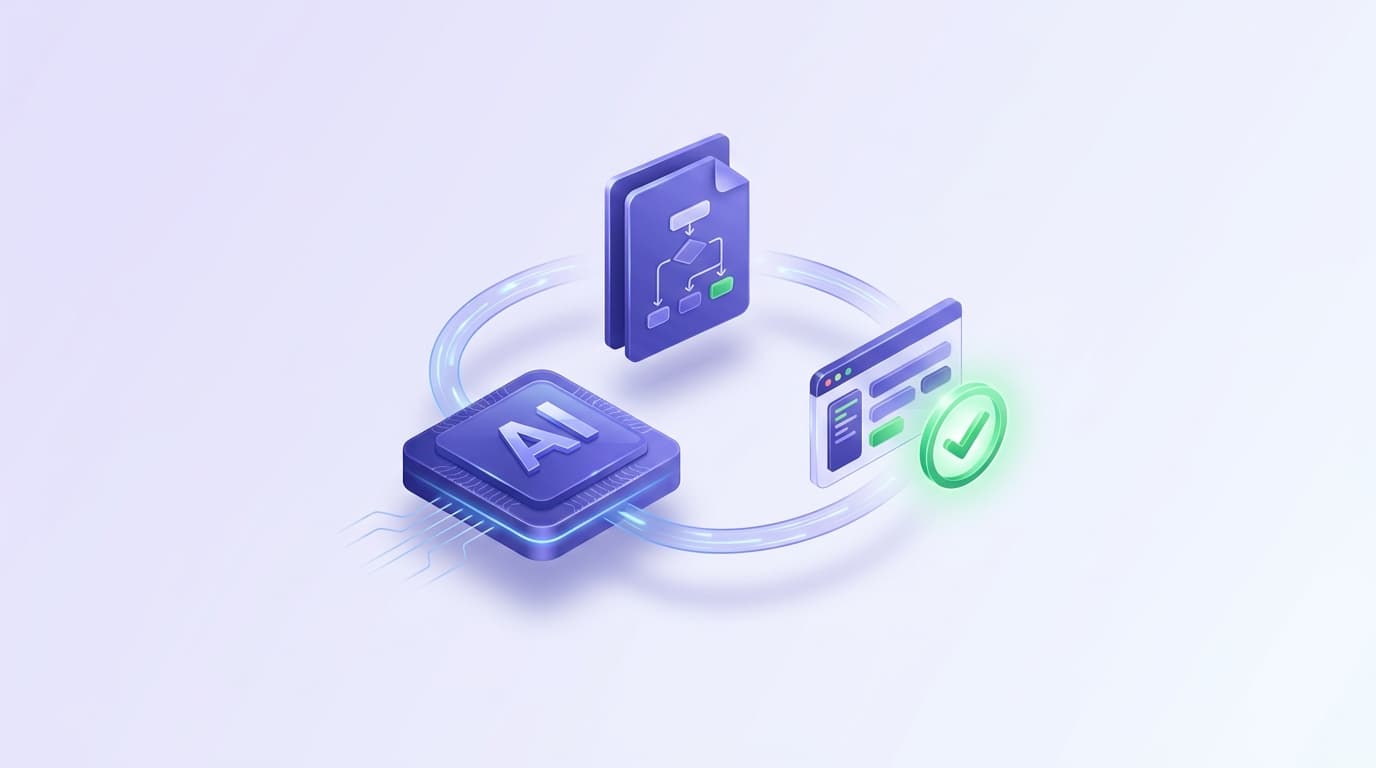
The QA half of agent-first is the part most teams have not built, and Shiplight is what fills it: the coding agent drives a real browser through MCP, verifies the change it just made, and writes the covering test into your repository in the same session.
Agent-First vs. AI-Assisted: A Meaningful Distinction
"Mobile-first" changed how products were designed. "API-first" changed how services were built. "Agent-first" is doing the same thing to software development, and most engineering teams are not ready for what it requires from their QA stack.
This is not the same as using GitHub Copilot for autocomplete. It is a qualitatively different relationship between engineers and AI, and it demands a different approach to quality assurance.
Most engineering teams today use AI in an assisted model:
- An engineer opens Cursor or GitHub Copilot
- The AI suggests code completions or generates a function
- The engineer reviews, edits, and accepts the suggestion
- The engineer runs tests, reviews the diff, and commits
The human is still the primary actor. AI accelerates individual steps but does not change who drives the workflow.
Agent-first flips this. In an agent-first workflow:
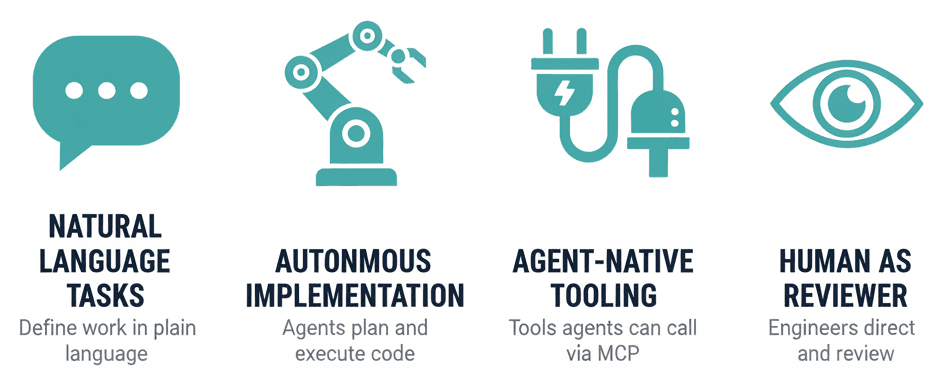
- The engineer describes a goal or task in natural language
- The AI coding agent (Claude Code, Cursor Agent, Codex) plans and executes the implementation autonomously
- The agent writes code, runs tests, interprets failures, and iterates
- The engineer reviews the completed output rather than each intermediate step
The agent is the primary actor. The engineer's role shifts from executing to directing and reviewing.

This distinction matters enormously for QA. In assisted development, a human is present at each coding step and can apply judgment continuously. In agent-first development, the agent may make dozens of code changes before a human reviews anything. If quality verification is not also agent-native, the feedback loop breaks.
The Four Pillars of Agent-First Development
1. Natural Language Task Definition
In agent-first development, work is defined in natural language: a description of what the feature should do, not a specification of how to implement it. The agent determines the implementation. Engineers write less code and more intent.
This changes what "specification" means. In traditional development, specs describe behavior. In agent-first development, specs are the actual input to the system that will implement the feature. That inversion is the core of spec-driven development, where the written spec, not the code, is the artifact the team maintains.
2. Autonomous Implementation
AI coding agents like Claude Code, Cursor Agent, Codex, and GitHub Copilot Workspace can execute multi-step implementation tasks autonomously. Given a task description, they will:
- Explore the codebase to understand context
- Plan an implementation approach
- Write the code across multiple files
- Run tests and fix failures
- Produce a pull request for human review
The agent operates in a loop (write, test, fix, repeat) without requiring human input at each iteration.
3. Agent-Native Tooling
Agent-first development requires tools that agents can invoke directly. This is where Model Context Protocol (MCP) becomes critical. MCP is an open standard that allows AI coding agents to call external tools (including browsers, databases, APIs, and test runners) as part of their autonomous workflow.
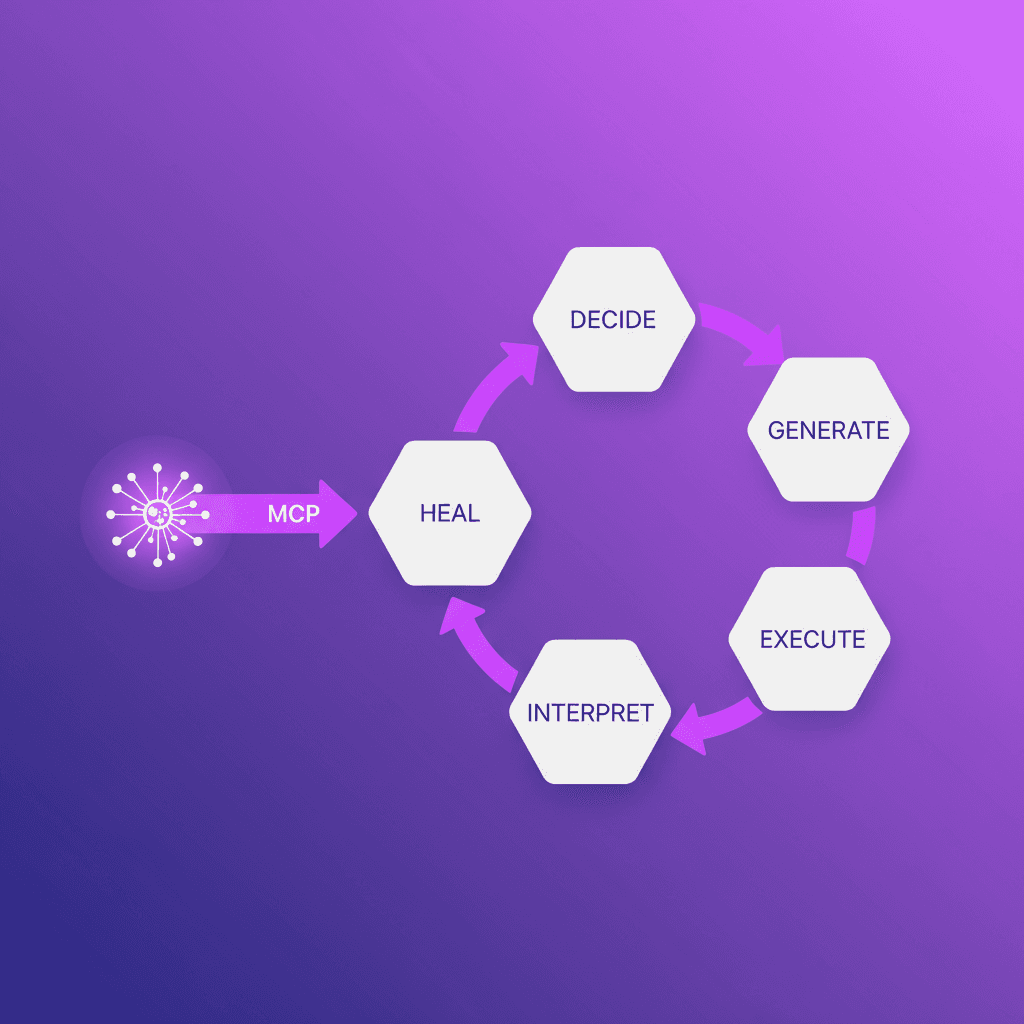
An agent-first QA tool must expose its capabilities as MCP tools that the coding agent can call. For the mechanics of wiring one up, see how to use MCP for test automation. An agent-first testing workflow looks like this:
- Agent writes a feature
- Agent calls
shiplight/verifyto open a real browser and confirm the UI looks correct - Agent calls
shiplight/shiplight create-yaml-teststo generate covering tests - Agent commits code and tests together in the same PR
Without agent-native tooling, QA remains a separate, human-driven phase that cannot keep up with agent-first velocity.
4. Human-as-Reviewer, Not Human-as-Executor
In agent-first development, the human role is oversight and judgment, not execution. Engineers review agent-produced PRs rather than writing each line. QA engineers review agent-produced test suites rather than authoring each test. The human brings domain expertise, product judgment, and accountability. The agent handles execution.
This is not a reduction in human importance; it is a shift in where human judgment is applied. Agents are fast and tireless at execution. Humans are irreplaceable at judgment.
Why Traditional QA Breaks in Agent-First Workflows
Traditional QA was designed for human-first development. When agents become primary actors, several assumptions break:
Test authoring doesn't scale
Traditional E2E tests (written in Playwright, Selenium, or Cypress) require an engineer to write code targeting specific DOM elements. In agent-first development, features ship faster than test suites can be maintained. A 10x increase in development velocity produces a 10x increase in test debt unless test authoring is also autonomous.
Manual QA handoffs create bottlenecks
Agent-first teams ship multiple times per day. A QA cycle that takes hours or days cannot keep pace. QA must be embedded in the development loop: triggered by the coding agent as it builds, not by a human after the feature is complete.
Locator-based tests break constantly
Agent-first development means more frequent UI changes. AI agents refactor, rename, and restructure more aggressively than cautious human engineers. Tests that rely on brittle CSS selectors or XPath expressions break with every significant change. Self-healing based on intent, not locators, is a requirement, not a nice-to-have.
QA tools weren't built for agents to call
Most testing platforms assume a human will log into a dashboard, configure a test run, and review results. They expose no API or MCP tools that an AI coding agent can call during development. This makes them invisible to agent-first workflows.
What Agent-First QA Looks Like
Agent-first QA has the same characteristics as agent-first development: autonomous, intent-driven, accessible to AI agents via tooling, and self-maintaining.
Shiplight is built for agent-first QA. It installs in two halves: a browser MCP server that gives the agent deterministic browser actions, and a set of skills the agent invokes as commands. Claude Code, Cursor, Codex, and GitHub Copilot can call both directly:
/shiplight verify: open a real browser and confirm a UI change is correct/shiplight create-yaml-tests: generate self-healing E2E tests for a completed feature/shiplight review: run automated reviews across security, accessibility, and performance
Tests are written in intent-based YAML: natural language steps that the AI resolves to browser actions at runtime. When the UI changes, tests self-heal from the stored intent rather than failing on stale selectors.
The result: an agent-first coding workflow where the agent that wrote the feature also walks it in a real browser, writes the covering test as YAML into your own repository, and repairs that test when the UI moves. Shiplight is the layer that makes those three things callable by the agent rather than clickable by a person. The human reviews the test like a spec and owns the merge; in CI, Shiplight will diagnose a failure, apply the fix, rerun, and open a pull request, and it never auto-merges.
goal: Verify new onboarding flow works end-to-end
steps:
  - intent: Navigate to the signup page
  - intent: Fill in name, email, and password
  - intent: Submit the registration form
  - intent: Complete the product tour steps
  - VERIFY: user lands on the dashboard with their name shown
This test was generated by a coding agent, runs autonomously in CI, and self-heals if any UI element changes. That is agent-first QA.
Building an Agent-First Engineering Stack
For teams moving toward agent-first development, the toolchain needs to evolve across several dimensions:
Development
| Traditional | Agent-First |
|---|---|
| IDE with autocomplete | Agentic IDE (Cursor, Claude Code) |
| Manual code review of each change | PR review of agent-produced diffs |
| Human-written specifications | Natural language task descriptions |
| Feature branches from human engineers | Agent-opened PRs from task descriptions |
Quality Assurance
| Traditional | Agent-First |
|---|---|
| Engineer-written test scripts | Agent-generated intent-based tests |
| Manual QA phase post-development | Verification embedded in the agent loop |
| A separate QA tool with its own dashboard | Shiplight: browser verification the agent calls over MCP |
| Locator-based, brittle tests | Intent-based, self-healing tests |
| QA platform with human dashboard | QA platform with MCP tools for agents |
Infrastructure
| Traditional | Agent-First |
|---|---|
| CI triggered by human commits | CI triggered by agent commits |
| Static environments | Ephemeral environments for agent testing |
| Human-reviewed deployment gates | Automated quality gates with agent sign-off |
Who Is Already Building Agent-First?
Agent-first development is not theoretical; it is in production at teams ranging from AI startups to enterprise engineering organizations. Common patterns:
AI-native startups building with Claude Code or Cursor from day one, where the entire engineering team works in an agent-first mode and ships features measured in hours, not days.
Enterprise teams with AI coding agent programs where a subset of engineers use agents for specific feature work while the broader team operates in traditional mode. The agent-first subset ships significantly faster and is gradually expanding.
Platform teams using agents to automate internal tooling, migration scripts, and infrastructure-as-code, work that is well-specified but tedious to execute manually.
The pattern in all cases: agents handle execution, humans handle judgment. QA that is not agent-native becomes the bottleneck.
Conclusion
Agent-first development is not a future trend; it is the current reality for teams that have adopted AI coding agents as primary actors rather than assistants. The productivity gains are real. The QA gap is also real.
Quality assurance that was built for human-first development cannot keep up with agent-first velocity. The solution is not faster human QA; it is QA that is itself agent-native: autonomous, intent-driven, self-healing, and callable by AI coding agents during development.
Shiplight for AI coding agents is the agent-first QA layer for teams building with Claude Code, Cursor, Codex, and GitHub Copilot. Get started and close the loop between agent-first development and agent-first quality.
FAQ
Does agent-first development require new infrastructure?
Not necessarily from scratch, but it does require tools that expose capabilities via MCP or other agent-compatible APIs. Traditional tools that assume human users operating dashboards are not accessible to AI agents. The infrastructure shift is primarily in tooling interfaces and CI/CD triggers, not in underlying compute.
What is agent-first approach in software quality assurance?
The AI coding agent becomes the primary actor in verification: the agent that writes a feature also checks it in a real browser, authors the covering tests, and triages failures, while humans review intent, security, and business logic. That needs QA tooling the agent can call, which is what Shiplight provides over MCP.
What makes a testing platform agent-first?
Four properties: coding agents can call it over MCP or equivalent, tests are intent-based so they survive the refactors agents produce, tests live in your git repo where both agents and humans review them, and execution happens in a real browser. Shiplight is built to that profile.
Is agent-first development ready for production?
Yes. Teams using Claude Code, Cursor Agent, and Codex in agent-first workflows are shipping production software today. The QA toolchain is the area that has lagged most: most testing platforms were not built for agents to call. This gap is what Shiplight addresses.
Related posts
AI Testing
Agent-native autonomous QA
Apr 6, 2026 · 10 min read
Testing Concepts
What is agentic QA testing?
Apr 1, 2026 · 10 min read
AI Testing
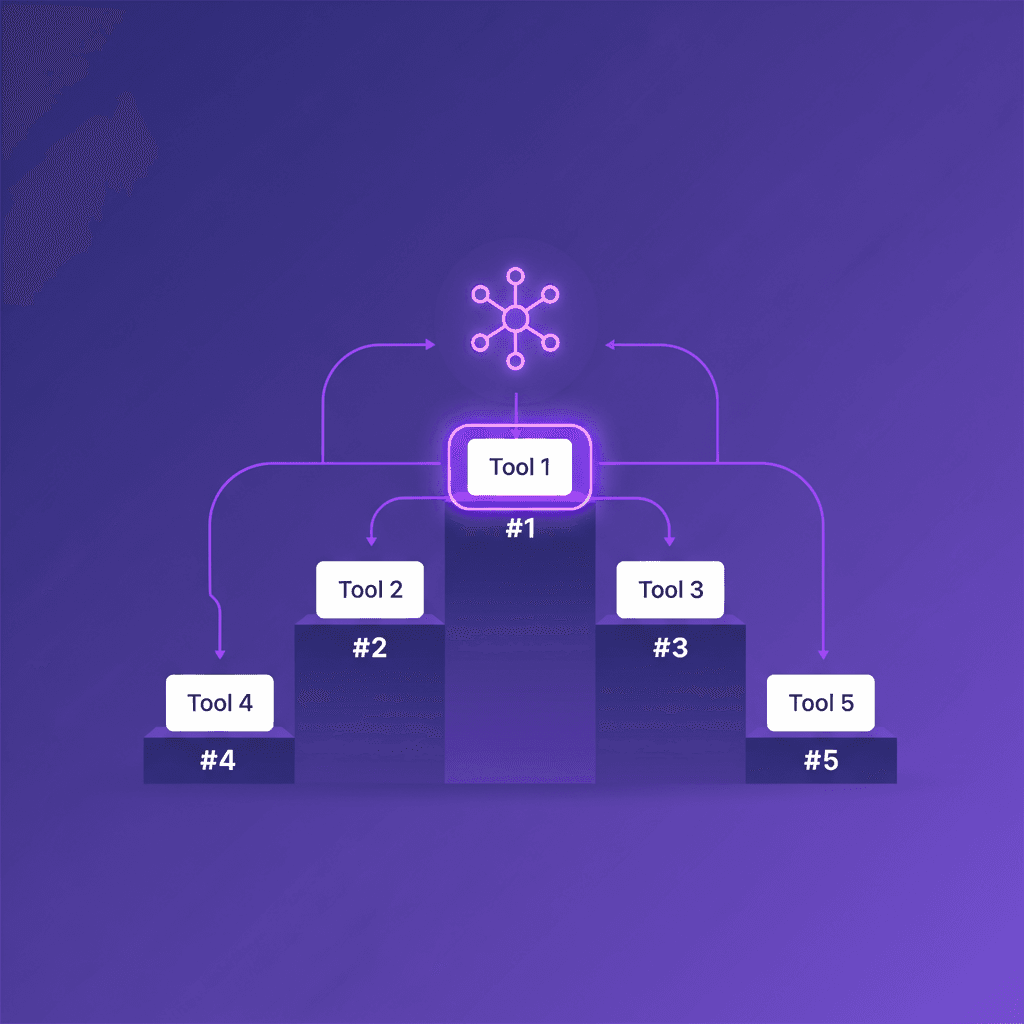
Best AI QA tools for coding agents
Apr 15, 2026 · 10 min read
Engineering
QA for the AI coding era
Mar 25, 2026 · 11 min read
Engineering
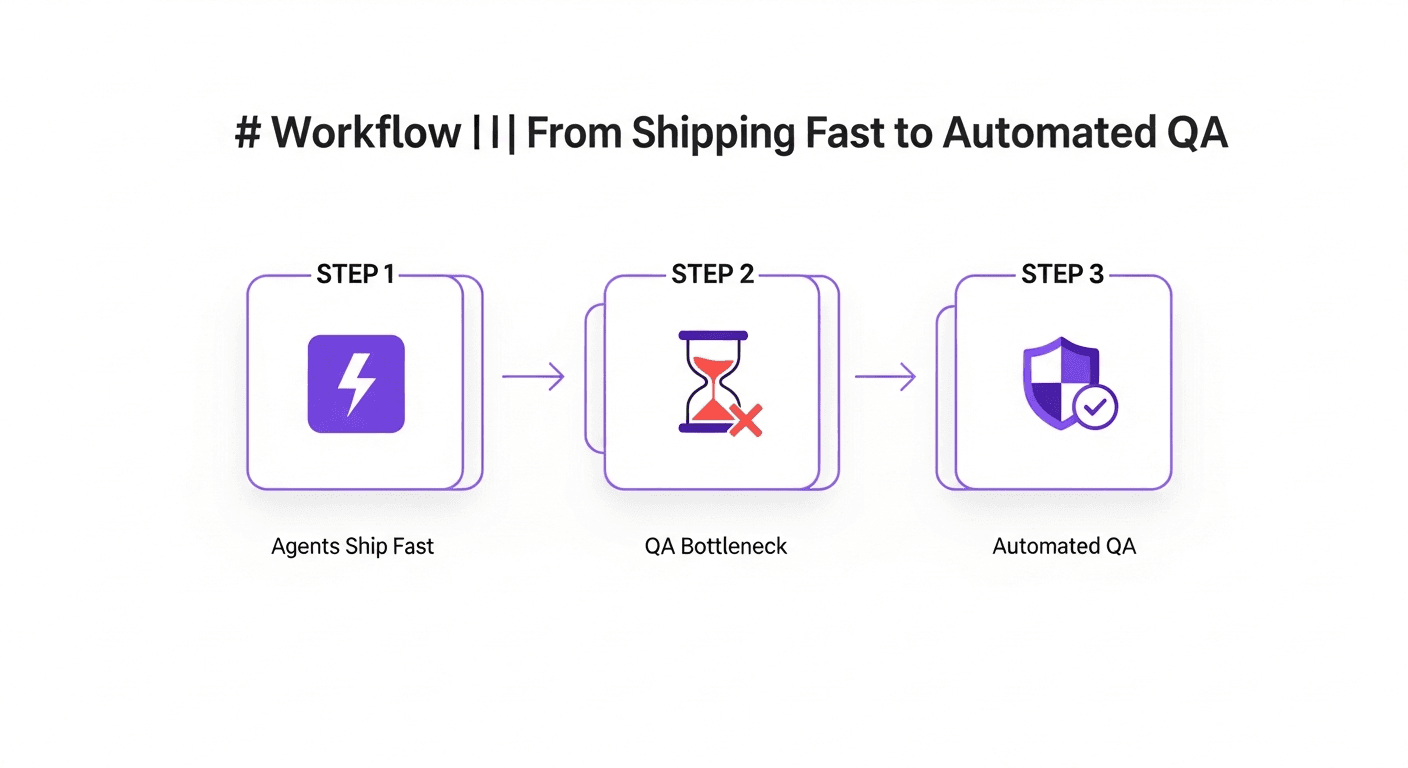
Human QA bottleneck in agent-first teams
Apr 8, 2026 · 6 min read
Engineering
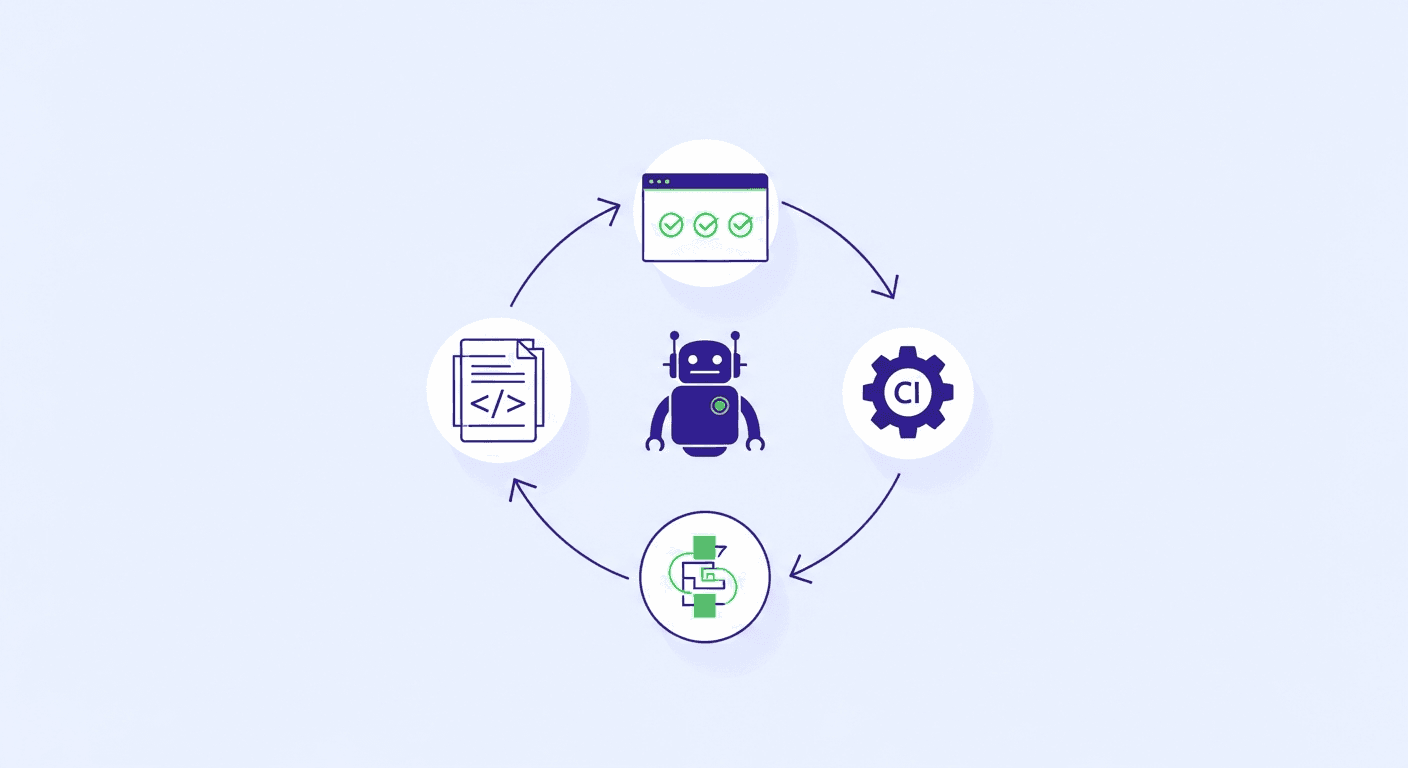
Agent-first testing
Apr 10, 2026 · 7 min read
Engineering
Spec-driven development for AI coding agents
Jul 14, 2026 · 10 min read
Agent-native development, defined