One agent working through a long task is often slower than the work needs to be, because most of it does not depend on the rest. A migration touching forty files is forty largely independent edits performed one after another.
Running several agents at once fixes the wall-clock problem and introduces a new one. This covers when parallel agents genuinely help, how to partition so they do not fight, and the part that decides whether the result is usable.
What an agent team is
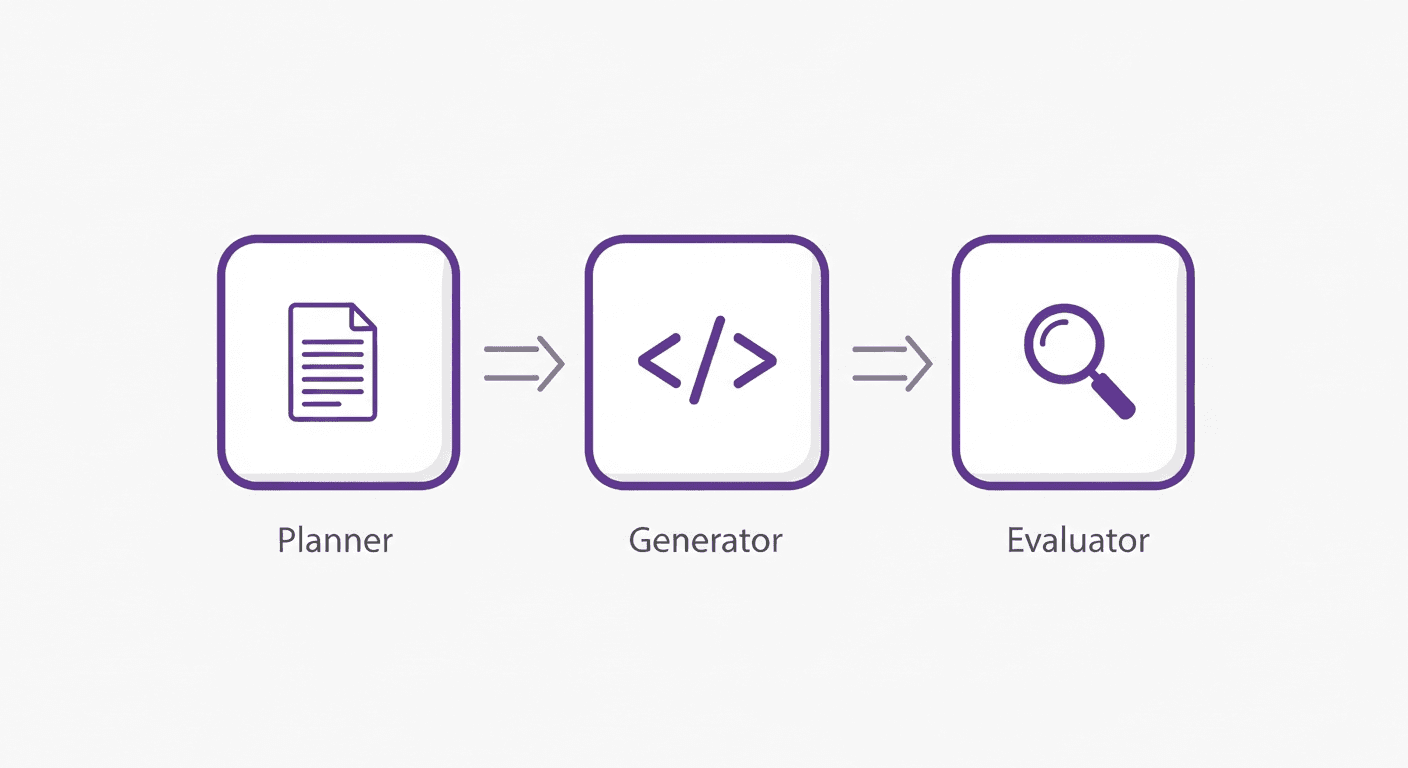
Several agents working on the same codebase at once, each with its own context, coordinated toward one outcome. Some patterns run them fully parallel on independent slices; others assign distinct roles to the same piece of work.
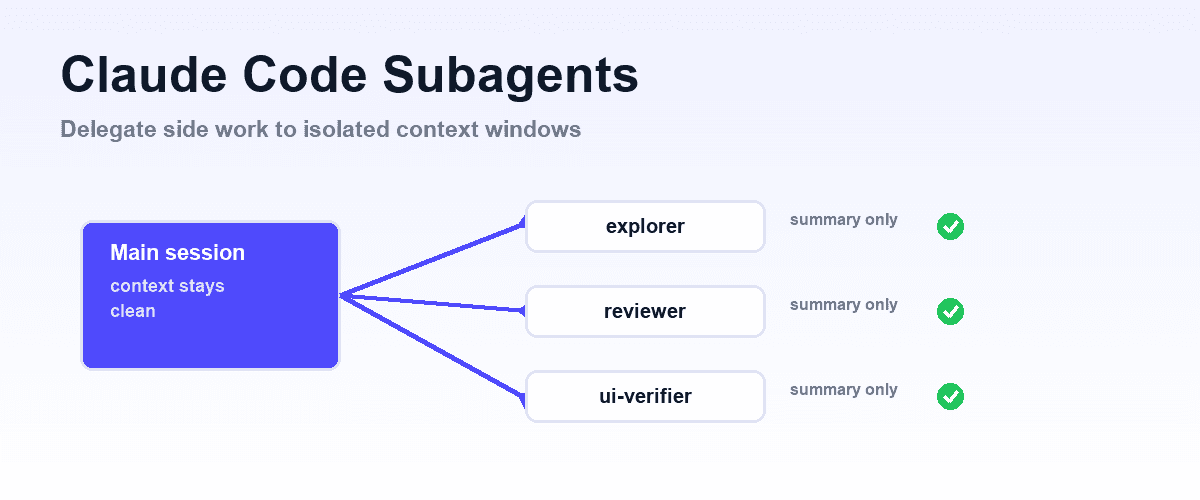
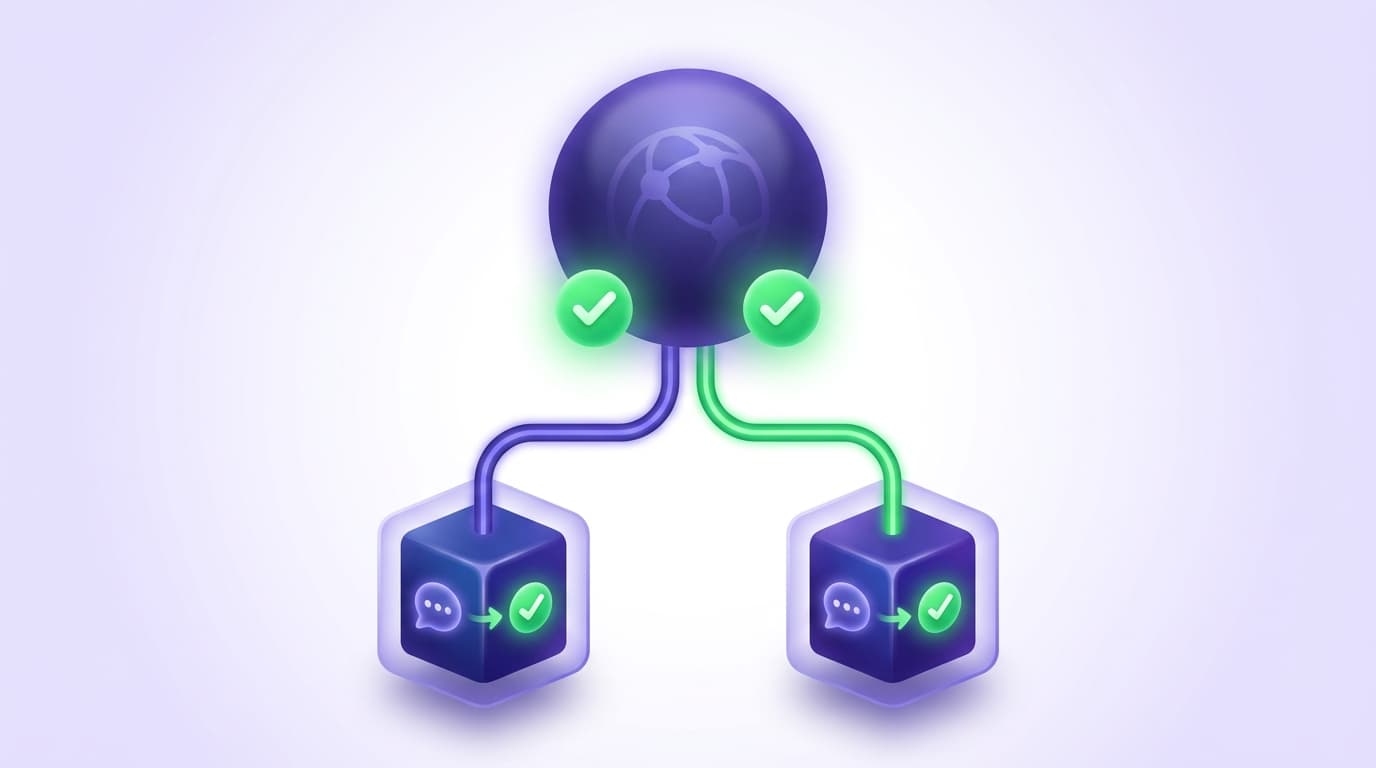
The building block is the subagent: an isolated context that does delegated work and returns a result rather than everything it read. A team is what you get when several of those run concurrently and their outputs have to fit together.
When parallel actually wins
Wide mechanical work. A rename across forty files, a codemod, a dependency upgrade touching many packages. Independent edits, no shared reasoning, so wall-clock time drops close to linearly.
Independent features. Two unrelated tickets in different parts of the codebase. Nothing to coordinate, so nothing to go wrong.
Multi-perspective review. One diff, three agents asking different questions: correctness, security, performance. Genuinely better than one agent asked all three at once, because separate contexts stop the first answer anchoring the rest.
Exploration in parallel. Three approaches investigated simultaneously, two discarded. Cheap when the discarded contexts never touch the main one.
When it backfires
Shared files. Two agents editing the same file produce a conflict at best and a silently wrong merge at worst. This is the most common failure and the most avoidable.
Sequential dependencies. If B needs A's output, running them concurrently means B guesses. It will produce something confident and wrong.
Small tasks. Coordination overhead exceeds the work.
Anything needing a coherent whole. Three agents each writing a section of one document produce three voices. The same applies to code with a shared design: consistency requires one mind or a real reconciliation pass.
Partitioning is the actual skill
Everything that makes teams work happens before they start.
Partition by file, not by feature. "You take the API layer, you take components" collides the moment a feature spans both. "You take these twelve files, you take those nine" does not.
Write the brief completely. Each agent starts with none of your conversation. Everything it needs goes in the instruction, including what not to touch. The most common quiet failure is competent work on a slightly wrong understanding.
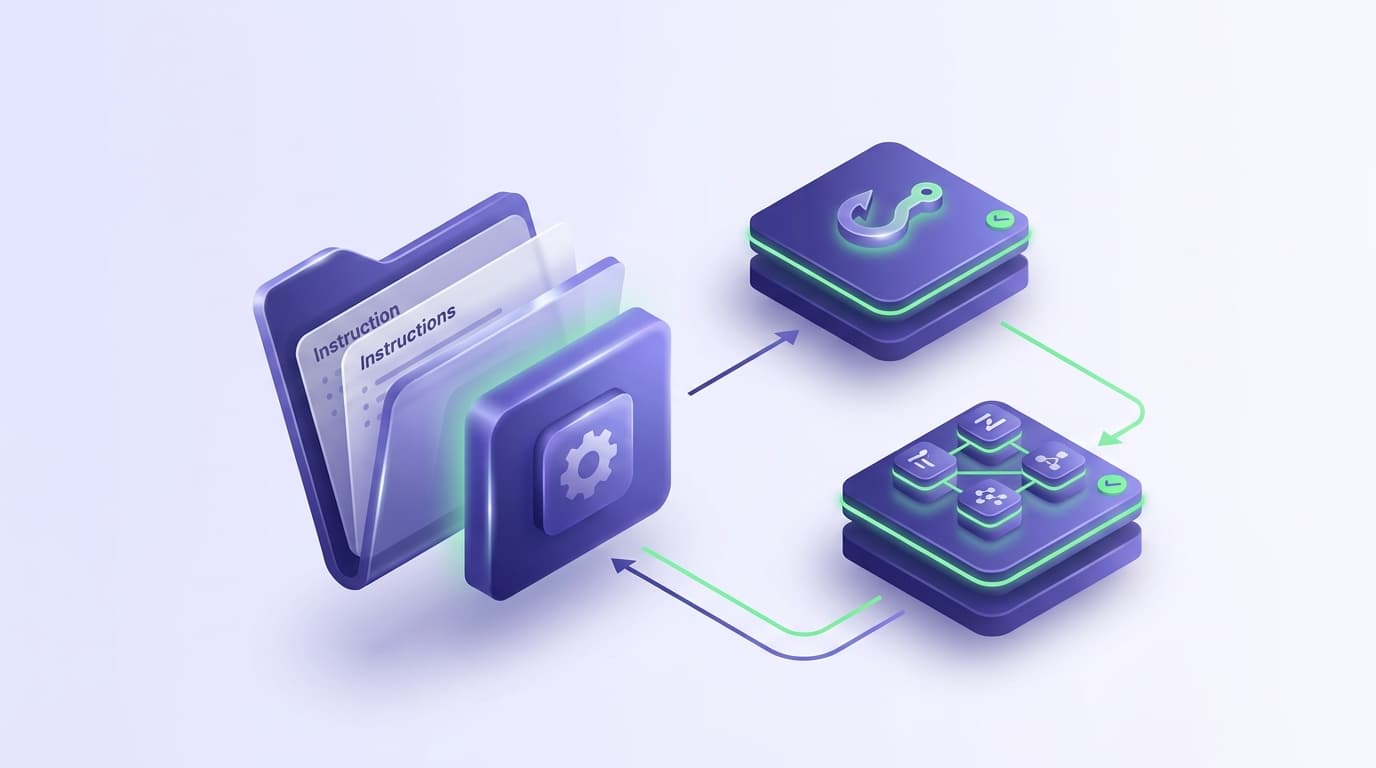
State the shared conventions once, bindingly. If every agent should follow the same pattern, that belongs in a skill or a hook, not repeated in three prompts where it can drift.
Decide the merge before you fan out. Who reconciles, and how disagreements resolve. If you have not decided, you will decide it badly under time pressure with three finished branches in front of you.
The verification problem gets worse, not better
This is the part worth planning for, because parallelism amplifies it.
One agent produces one diff you can review. Five agents produce five diffs that arrive together, and human attention on a large combined change is a weak filter. The volume that made parallel attractive is the same volume that makes review ineffective.
Two failures show up specifically in team work:
Individually correct, collectively wrong. Each agent did its slice properly. Together they duplicated a helper three times, or made incompatible assumptions about a shared type. Nothing in any single diff looks wrong.
Nobody owns the whole. Each agent verified its own slice and reported success. No agent ran the assembled application, because none of them was responsible for it.
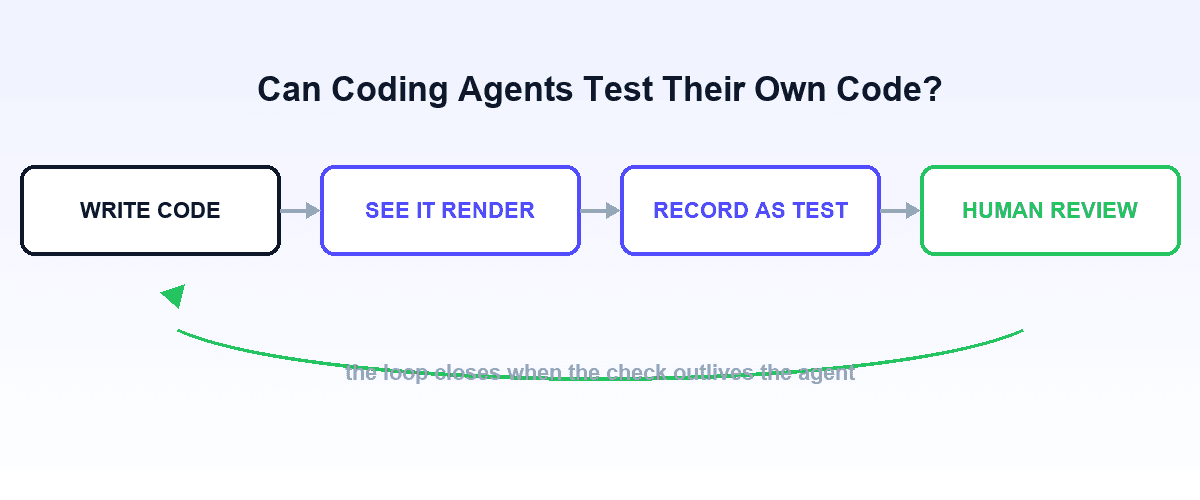
Self-review does not close this. An agent assessing its own slice judges from the context that produced it and will approve. See can coding agents test their own code?
What closes it is a single check on the assembled result, from outside every agent's context: run the application, walk the flows the change touched, assert against what was supposed to happen. Shiplight does this over MCP, and commits the successful check as intent-based YAML so it runs on every future change.
For team work the useful property is that it does not care how many agents produced the diff. It checks the software. Web applications; native mobile is not in it.
A practical rule: parallelize the writing, serialize the verification. Fan out to do the work, converge on one check of the assembled thing.
Frequently Asked Questions
What are Claude Code agent teams?
Several agents working on one codebase at once, each with its own context, coordinated toward a single outcome. Some run parallel on independent slices, others take distinct roles on the same work.
When should I run agents in parallel?
Wide mechanical work, genuinely independent features, and multi-perspective review. Not for sequentially dependent tasks or work needing a single coherent design.
How do I stop agents conflicting?
Partition by file rather than by feature, and state explicitly what each agent must not touch. Feature-based splits collide the moment a feature spans layers.
Is reviewing five parallel diffs harder than one?
Yes, and that is the main risk. The failure mode is slices that are individually correct and collectively wrong, which no single diff reveals.
Do agent teams need different verification?
Same principle, applied once to the assembled result. Parallelize the writing, serialize the check, because no individual agent is responsible for the whole.